Hair Loss Treatment Expert
Leave feedback on the product

Shipping costs are not included in the price.
Shipping costs are not included in the price.
Ask about the product

The controller of your personal data is SyneViaMed. We process your data solely to reply to your enquiry. For more information on how we process personal data, please see our Privacy Policy.
Share the product card



Description
Modern hair loss treatments – evidence-based aesthetic trichology
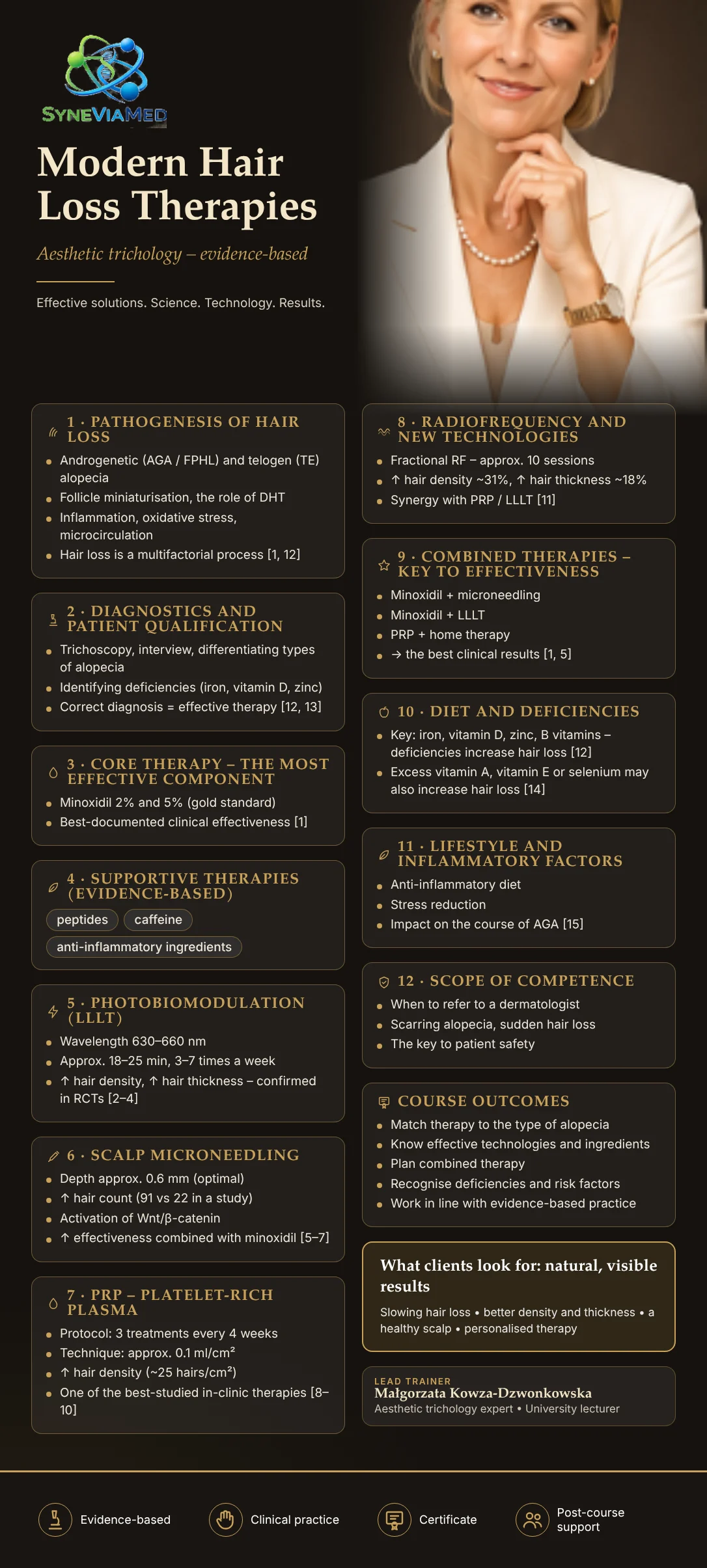
1. Pathogenesis of hair loss
- androgenetic alopecia (AGA/FPHL), telogen effluvium (TE)
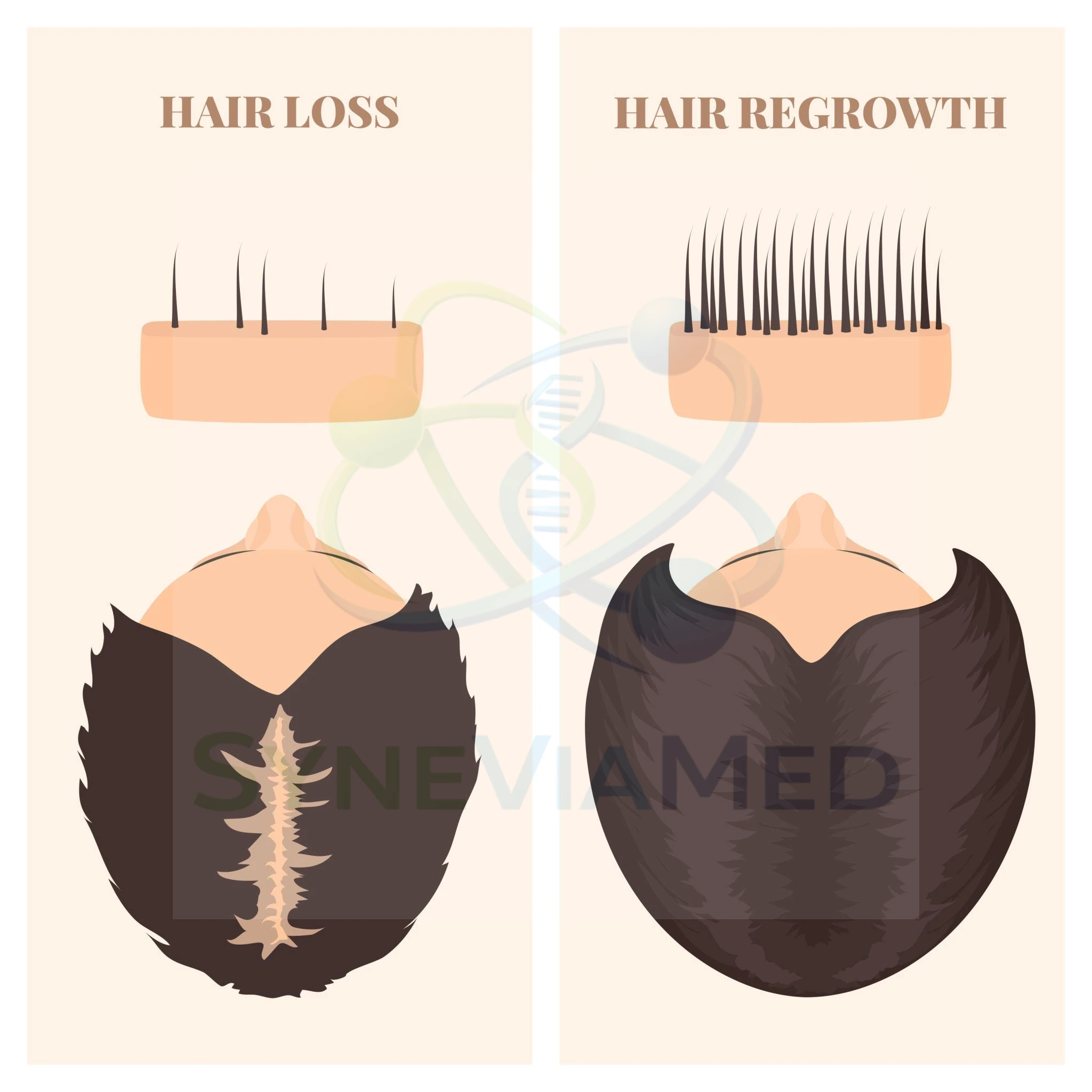
- follicle miniaturisation, the role of DHT
- inflammation, oxidative stress, microcirculation
Hair loss is a multifactorial process [1,12]
2. Diagnosis and patient assessment
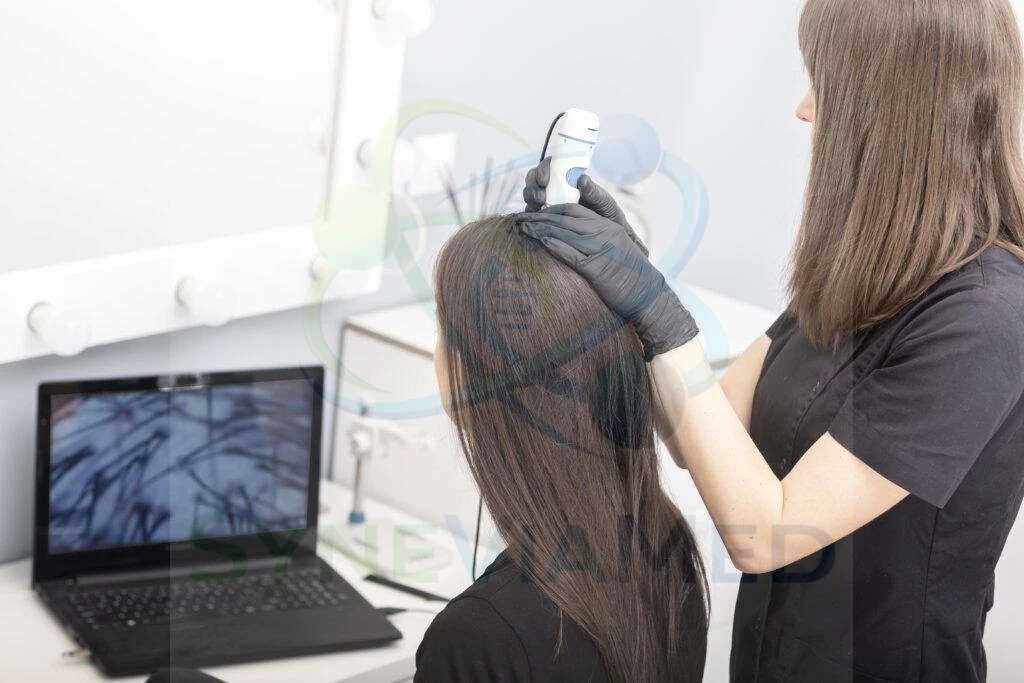
- trichoscopy, consultation, differentiating types of alopecia
- identifying deficiencies (iron, vitamin D, zinc)
Correct diagnosis = effective treatment [12,13]
3. First-line treatment – the most effective ingredients
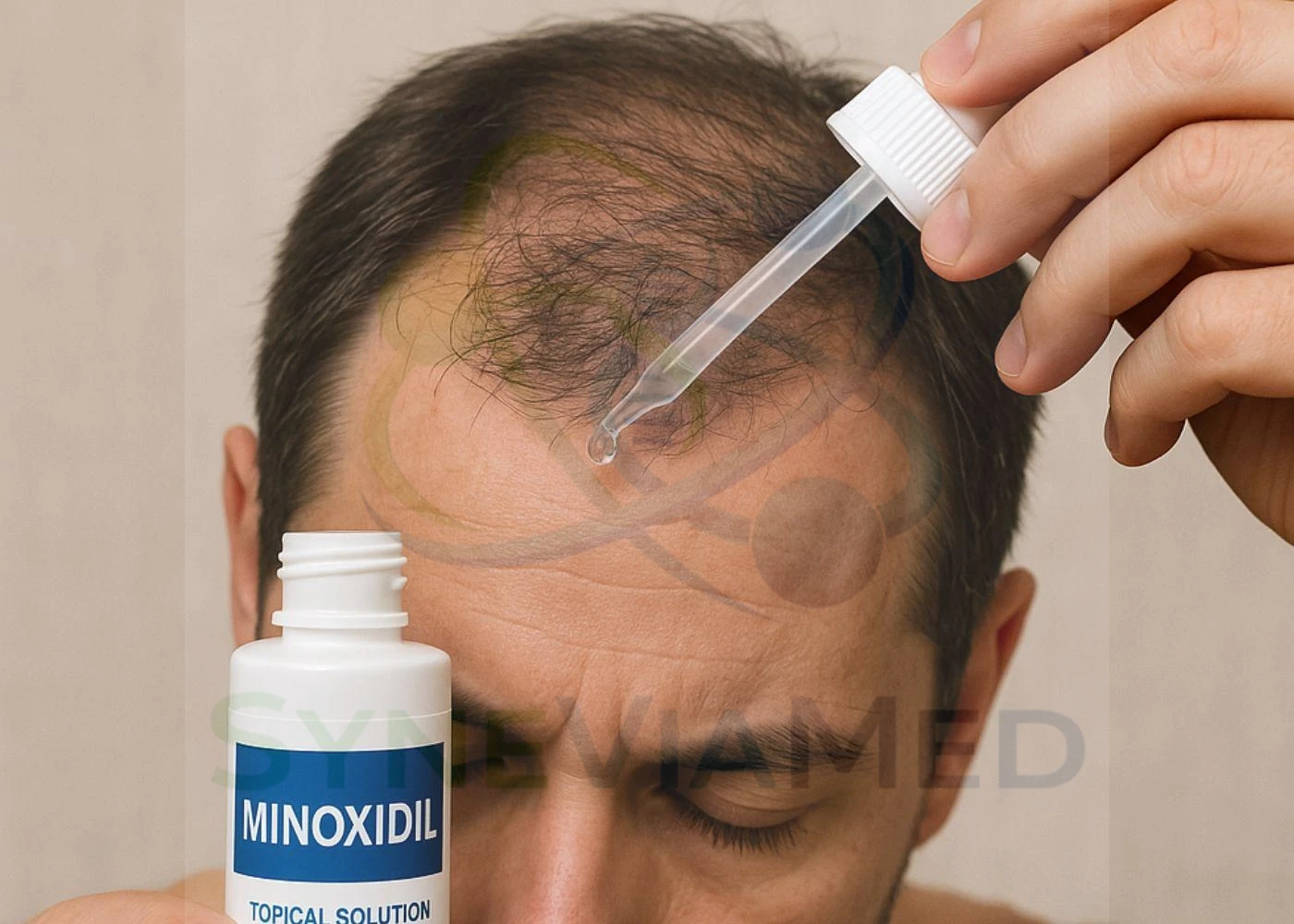
- minoxidil 2% and 5% (gold standard)
The strongest clinical evidence of effectiveness [1]
4. Supporting therapies (evidence-based)
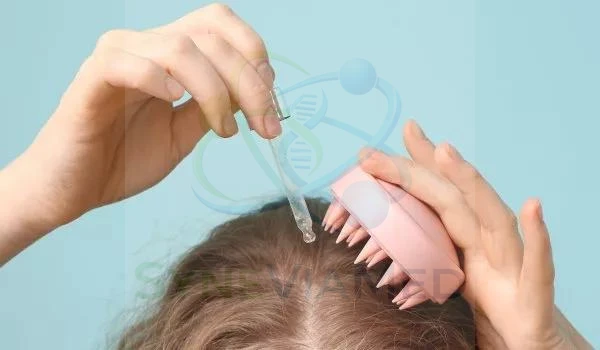
- peptides, caffeine, anti-inflammatory ingredients
Supportive action
5. Photobiomodulation (LLLT)
- wavelength: 630–660 nm
- duration: approx. 18–25 min, 3–7× per week
- ↑ hair density
- ↑ hair thickness
Confirmed in RCTs [2–4]
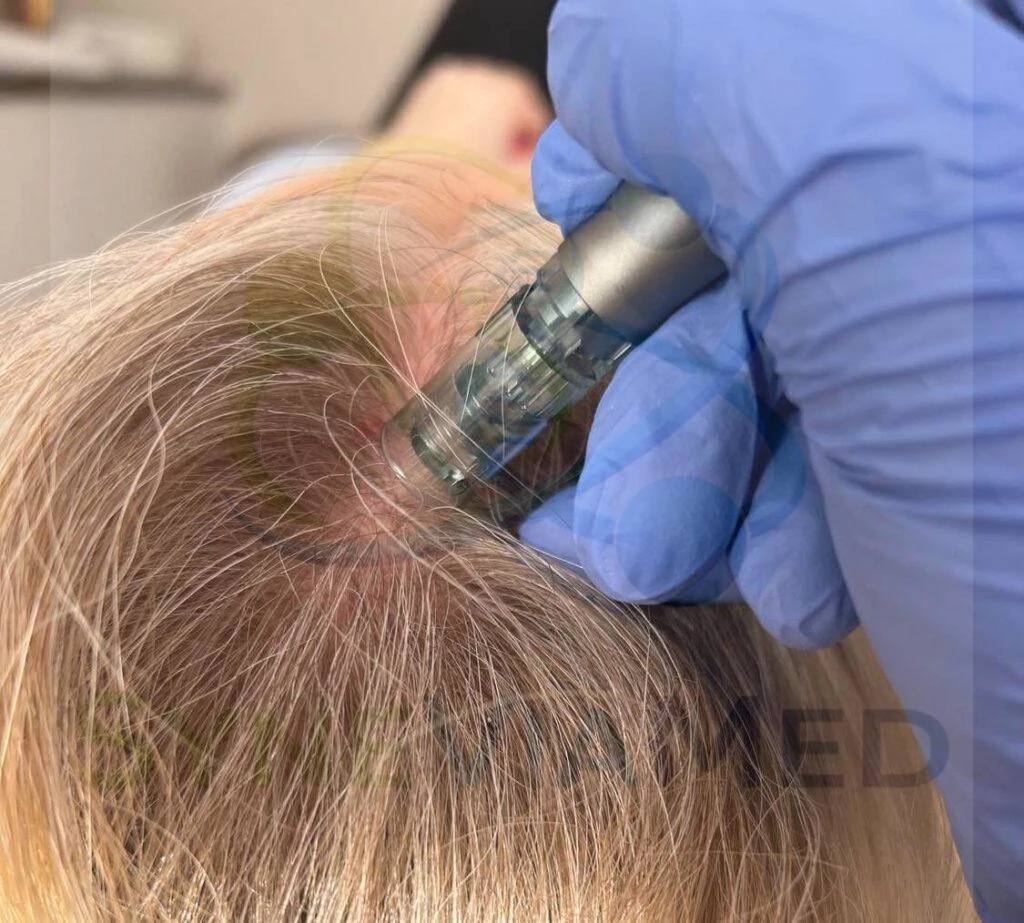
6. Scalp microneedling
- depth: approx. 0.6 mm (optimal)
- ↑ hair count (91 vs 22 in one study)
- activation of the Wnt/β-catenin pathway
More effective combined with minoxidil [5–7]
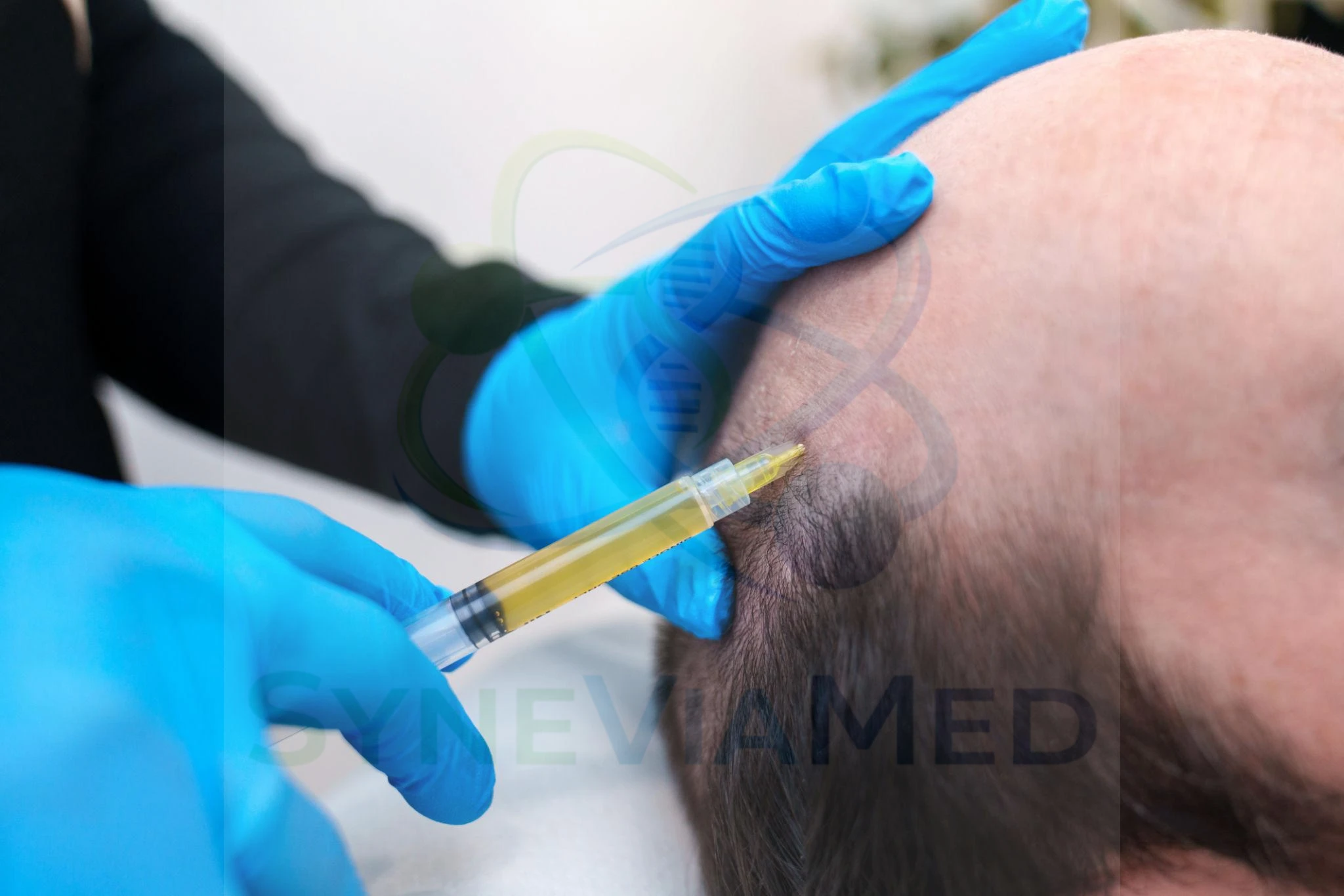
7. PRP – platelet-rich plasma
- protocol: 3 treatments every 4 weeks
- technique: approx. 0.1 ml/cm²
- ↑ hair density (~25 hairs/cm²)
One of the best-researched in-clinic treatments [8–10]
8. Radiofrequency and new technologies
- fractional RF – approx. 10 sessions
- ↑ hair density ~31%
- ↑ hair thickness ~18%
Compared with PRP/LLLT [11]
9. Combination therapies – the key to results
- minoxidil + microneedling
- minoxidil + LLLT
- PRP + home care
The best clinical outcomes [1,5]
10. Diet and deficiencies
- the importance of iron, vitamin D, zinc and B vitamins – deficiencies worsen hair loss [12]
- excess vitamin A, E or selenium may increase hair loss [14]
11. Lifestyle and inflammatory factors
- anti-inflammatory diet
- stress reduction
Influence on the course of AGA [15]
12. Scope of practice
- when to refer to a dermatologist
- scarring alopecia, sudden hair loss
Key to patient safety
Course outcomes
After the course you will:
- ✔ match treatment to the type of alopecia
- ✔ know the effective technologies and ingredients
- ✔ plan combination treatments
- ✔ recognise deficiencies and risk factors
- ✔ work in an evidence-based way
References
- Ramos PM, Miot HA. Female-pattern hair loss: therapeutic update. An Bras Dermatol. 2023. Topical minoxidil remains the first-choice therapy with the highest level of evidence in FPHL.
- Kim H, et al. Low-level laser therapy for androgenetic alopecia: a 24-week, randomized, double-blind, sham device-controlled multicenter trial. 2013. Helmet device using 630/650/660 nm, 18 min daily, 24 weeks; significant increase in hair density vs sham.
- Yoon JS, et al. Low-level light therapy using a helmet-type device for the treatment of androgenetic alopecia: a 16-week multicenter randomized double-blind sham device-controlled trial. 2020. Reported significant increase in hair density; no serious adverse events.
- Lueangarun S, et al. A Systematic Review and Meta-analysis of Randomized Controlled Trials on FDA-Approved Low-Level Light/Laser Therapy Devices for Pattern Hair Loss. 2021. Supports efficacy of LLLT in pattern hair loss.
- Dhurat R, et al. A randomized evaluator blinded study of effect of microneedling in androgenetic alopecia: a pilot study. 2013. Mean change in hair count at week 12: 91.4 vs 22.2 for microneedling + minoxidil vs minoxidil alone.
- Faghihi G, et al. Microneedling in androgenetic alopecia; comparing two different depths of microneedles in combination with minoxidil 5%. 2021. 0.6 mm performed better than minoxidil monotherapy and better than deeper needling for key endpoints.
- Bao L, et al. Randomized trial of electrodynamic microneedling combined with 5% minoxidil topical solution for treating androgenetic alopecia in Chinese males. 2020/2022 indexing. Combination superior after 24 weeks; mechanistic data suggested activation of Wnt/β-catenin signaling.
- Gupta AK, et al. Platelet-rich plasma for androgenetic alopecia treatment. 2019 review. Recommends 3 monthly PRP sessions as a practical evidence-based starting protocol.
- Stevens J, et al. Platelet-rich plasma for androgenetic alopecia: a review of the literature and update on treatment protocol. 2019. PRP commonly administered every 2–3 weeks or monthly; protocol heterogeneity remains high.
- Cervantes J, et al. Effectiveness of Platelet-Rich Plasma for Androgenetic Alopecia. 2017. Intradermal PRP injections approximately 0.1 mL/cm², nappage technique.
- Verner I, et al. Fractional radiofrequency for hair growth stimulation. 2018. Average increase 31.6% in hair density and 18% in hair shaft thickness; 10 treatment sessions recommended.
- Wang R, et al. Micronutrients and Androgenetic Alopecia: A Systematic Review. 2024. Vitamin D, iron, zinc and B vitamins appear important in hair growth biology and may be associated with AGA when deficient.
- Tamer F, et al. Serum ferritin and vitamin D levels should be evaluated in patients with diffuse hair loss prior to treatment. 2020. Ferritin and 25(OH)D were generally low in patients complaining of hair loss.
- Guo EL, Katta R. Diet and hair loss: effects of nutrient deficiency and supplement use. 2017. Over-supplementation of selenium, vitamin A and vitamin E may contribute to hair loss.
- Bazmi S, et al. Androgenic alopecia is associated with higher dietary inflammatory index and lower antioxidant index scores. 2024. Suggests pro-inflammatory diet may increase AGA risk, while antioxidant-rich diets may be protective.
Reviews
If you've added a review and it doesn't appear on the list, it may be pending moderation.
Leave feedback on the product


